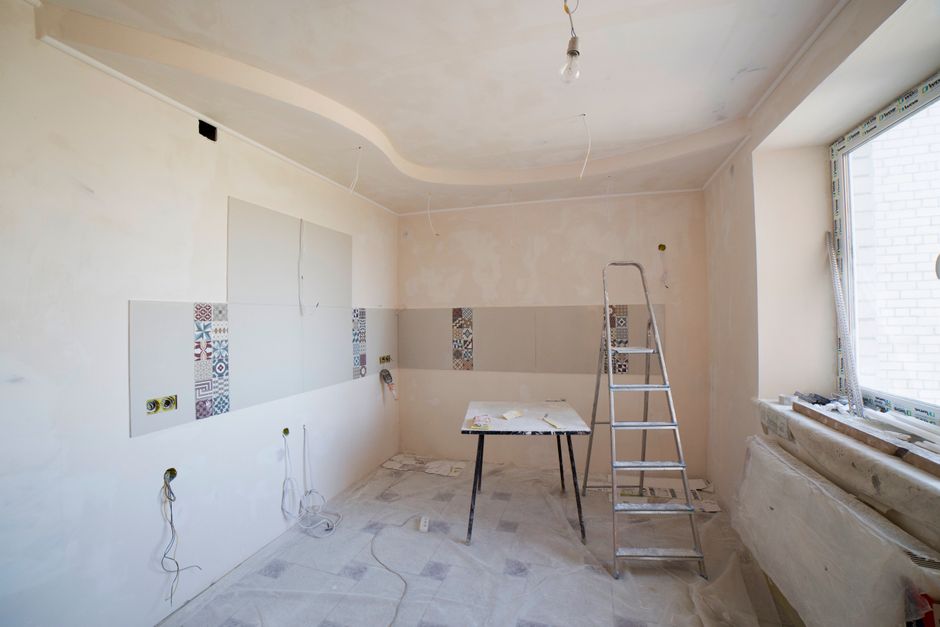
After builders cleaning for Holland Park W8 renovations
Posted on 08/07/2026
Renovating in Holland Park can feel exciting right up until the dust lands on every shelf, skirting board, and window ledge. Then the reality hits. Paint specks on glass, grout haze in the bathroom, fine plaster dust in the hall, and that gritty film builders always seem to leave behind, no matter how tidy the crew were. After builders cleaning for Holland Park W8 renovations is the step that turns a finished project into a home you can actually live in, inspect, photograph, or hand over with confidence.
This guide explains what post-renovation cleaning involves, why it matters in a neighbourhood like Holland Park, how a proper clean is carried out, and what to look for before you book. If you are preparing a townhouse refresh, apartment refurb, kitchen fit-out, or a full property makeover, the right cleaning stage saves time, protects finishes, and avoids those awkward "it's nearly done, but not quite" moments. Let's face it, nobody wants to move back into a beautiful room that still feels like a job site.
Why After builders cleaning for Holland Park W8 renovations Matters
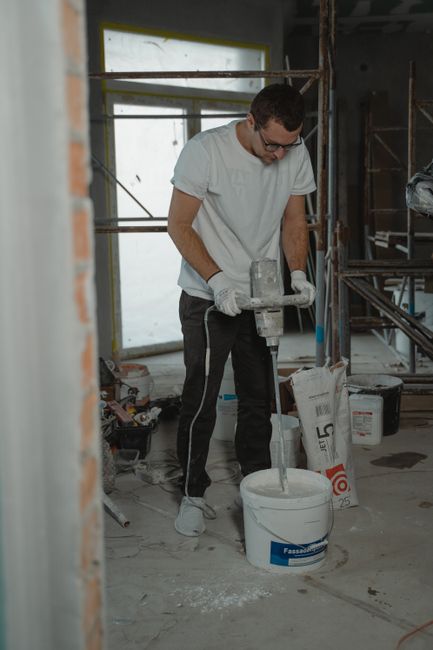
After a renovation, the mess is rarely just visible. The obvious debris is easy enough to spot: offcuts, dust piles, sealant smears, adhesive marks, packaging scraps. The trickier issue is the invisible layer that settles on everything else. It sits in vents, behind radiators, on light switches, inside cupboards, and across newly fitted flooring. If that residue is not removed properly, it can dull the finish of a high-quality refurbishment and make the place feel unfinished.
In Holland Park, many properties include older detailing, decorative mouldings, timber floors, sash windows, or specialist finishes that need a gentler, more careful clean. A rushed sweep and wipe will not cut it. Builders' dust is abrasive. If you drag it across polished surfaces, you can scratch glass, damage lacquer, or leave a cloudy residue on freshly painted walls. That is why a proper after builders clean is not a luxury add-on. It is part of the renovation process, really.
There is also a practical side. If the property is being prepared for sale or rental, the presentation matters a great deal. A spotless kitchen, clean sockets, dust-free skirting, and polished bathrooms change how a space feels within seconds. Readers interested in property presentation may also find our guide on selling your property in Holland Park useful, because post-renovation finish and market readiness often go hand in hand.
And if your renovation is part of a wider lifestyle upgrade, this area has a strong emotional pull too. Holland Park is known for a calm, refined atmosphere, which is one reason people invest so much care into their homes here. That sense of ease only really shows when the dust is gone and the space breathes again. If you're curious about the local appeal, the piece on city life and serenity in Holland Park gives a nice bit of context.
How After builders cleaning for Holland Park W8 renovations Works
A professional post-renovation clean is more methodical than a standard domestic clean. The order matters. You do not want to polish a surface before the dust above it has been removed. That sounds obvious, but in real life it is where a lot of people go wrong.
Typically, the work starts with a detailed survey of the finished rooms. The cleaner checks floor type, fixtures, paint condition, and where the heaviest dust has settled. Then the team removes loose debris, vacuums carefully with suitable filtration, and works top to bottom so dust falls onto surfaces that have not yet been cleaned. After that comes the detail work: wiping frames, de-tacking paint spots, cleaning sockets and switches, removing builder residue, and refreshing floors, tiles, and fittings.
Depending on the renovation, the service may also include:
- dust removal from ledges, coving, radiators, and internal doors
- careful cleaning of newly installed kitchen and bathroom fixtures
- removal of plaster dust from floors and skirting boards
- spot treatment for adhesive, grout haze, or paint marks
- interior window cleaning, including frames and sills
- vacuuming and mopping with finish-safe products
- final checks in corners, behind doors, and under fixed units
For some projects, especially larger refurbishments, the clean is done in stages. That can be smart if the builders are still finishing snagging work or if you need access cleaning before decorators return. A little staging saves a lot of rework. Truth be told, it also reduces the chance of someone stepping into a half-cleaned room and undoing everything with one muddy boot.
Key Benefits and Practical Advantages
One of the clearest benefits is the visual difference. A renovated property can look finished on paper, but until the dust is removed from every edge and surface, the eye still reads it as incomplete. Clean lines, clear glass, and fresh floors change the whole feel of a room. You notice the light more. The air feels lighter too.
Another major benefit is protection. Post-build dust is not just unsightly; it can be abrasive. Left behind, it can be walked into carpets, trapped in upholstery, or ground into floor finishes. If you have just invested in new materials, it makes sense to protect them properly. This is especially relevant where homeowners have added soft furnishings or textiles to a newly renovated room, and sometimes a separate service such as upholstery cleaning in W8 can be sensible after the main clean.
Here are the main advantages in plain English:
- Better presentation: the property looks truly complete, not just renovated.
- Cleaner air: dust is removed from hidden and high-touch areas.
- Surface protection: delicate finishes are cleaned with the right approach.
- Faster move-in: you can unpack and use rooms without lingering grime.
- Improved handover: ideal for landlords, homeowners, and contractors alike.
- Less stress: one less exhausting task at the end of an already tiring project.
There is a softer advantage too. A proper clean gives you a sense of closure. Renovations can drag on, and by the time the final coat of paint is dry, everyone is a bit done with it. Walking into a fresh, calm, dust-free room after weeks of noise and disruption feels genuinely good. That matters more than people think.
Who This Is For and When It Makes Sense
After builders cleaning is useful for a wide range of people, not just those doing major works. If the project has created fine dust, debris, or residue that a standard cleaner would struggle to tackle, this service makes sense.
It is especially suitable for:
- homeowners finishing a kitchen, bathroom, loft, or full-flat renovation
- landlords preparing a refurbished property for new tenants
- agents or sellers getting a renovated property ready for viewings
- developers and contractors arranging handover cleaning
- busy households that simply do not have the time or equipment to deal with post-build dust properly
In Holland Park W8, the property mix is varied enough that the cleaning needs can differ wildly. A compact apartment with a new bathroom may need a concise, detail-focused clean. A larger period property might need a more comprehensive approach because dust can migrate across multiple floors and settle on ornate surfaces. That is where local awareness helps.
If the renovation is part of a broader home care plan, you might also want to look at house cleaning in W8 or domestic cleaning in Kensington for ongoing upkeep once the builders have gone. A freshly renovated home stays fresher for longer when there is a sensible follow-up routine.
Sometimes the timing is urgent. Maybe a floor fitter has finished late on Friday, and you need the property ready by Monday morning. Or maybe the decorators have wrapped up and the photographer is booked for tomorrow. In those moments, a same-day or next-day clean can be the difference between a smooth handover and a very stressful coffee-fuelled scramble. If that sounds familiar, same-day cleaning near Holland Park Tube Station is a relevant read.
Step-by-Step Guidance
If you want a clean that actually feels complete, it helps to understand the sequence. Here is the practical workflow most experienced teams follow.
- Inspect the finished work. Check whether the builders have fully finished, including snagging, silicone touch-ups, and sealant cure time. Cleaning too early can mean repeating the job.
- Remove waste and loose debris. Packaging, dust sheets, tape, and offcuts need to go first. You want clear access before any detailed work starts.
- Start high and work down. Ceilings, light fittings, shelves, picture rails, tops of doors, and upper ledges are tackled before lower surfaces.
- Vacuum thoroughly. A suitable vacuum with strong filtration helps lift fine dust from floors, corners, and fabric surfaces without spreading it around.
- Detail clean all touchpoints. Handles, switches, sockets, skirting boards, door frames, shelves, and internal glass all collect a surprising amount of dust.
- Deal with builder residue carefully. Paint flecks, adhesive marks, grout haze, and silicone smears may need spot treatment rather than brute force. This is where patience pays off.
- Clean kitchens and bathrooms last but properly. These rooms often need the most attention because they combine dust with fittings, limescale, and installation residue.
- Finish floors with the right method. Hardwood, tile, stone, laminate, and carpet all need different products and different pressure. One method does not suit everything, no matter how tempting that shortcut might be.
- Review the result room by room. A final walkthrough helps catch hidden dust, streaking, and missed corners before the job is signed off.
A good rule of thumb: if you would be embarrassed to run a finger across a shelf and show the result to a guest, the clean is not finished yet. A slightly cheeky test, perhaps, but a fair one.
Expert Tips for Better Results
Small decisions make a big difference in post-renovation cleaning. In our experience, the best results come from slowing down at the right moments rather than trying to do everything in one pass.
1. Wait for dusty work to end. If the painters are still sanding or the joiner is still trimming wood, hold off. Cleaning before the heavy dust has settled is usually wasted effort.
2. Use the right cloth for the right finish. Microfibre is useful, but even that can leave residue on some polished surfaces if it is overloaded with dust. Fresh cloths matter. More than people think.
3. Ask about delicate finishes. Stone, brass, untreated timber, specialist tiles, and bespoke joinery all need extra care. A good cleaner should ask about them before starting, not after a mistake has been made.
4. Separate the sparkle from the grime. Builder dust removal comes first. Only then should you go after streaks and polishing. If you polish too early, dust just sticks to the surface again. Annoying, but true.
5. Protect the newly cleaned space. Once the property is cleaned, try not to walk heavy tools, ladders, or wet shoes back through it. It sounds basic, yet people forget. It happens at 4:30 on a Tuesday and suddenly the hallway is dirty again.
6. Make a note of problem areas. If a room has particularly stubborn dust, let the team know. Builders' residue often collects in odd places: behind radiators, on top of cupboard carcasses, inside drawer runners, along extractor housings, and around window hinges.
If you are comparing service levels and want a broader sense of what reputable providers typically cover, the services overview and the article on top-rated cleaning services in Holland Park W8 can help you understand the wider picture. Not all cleaning jobs are created equal, and the details tell you a lot.
Common Mistakes to Avoid
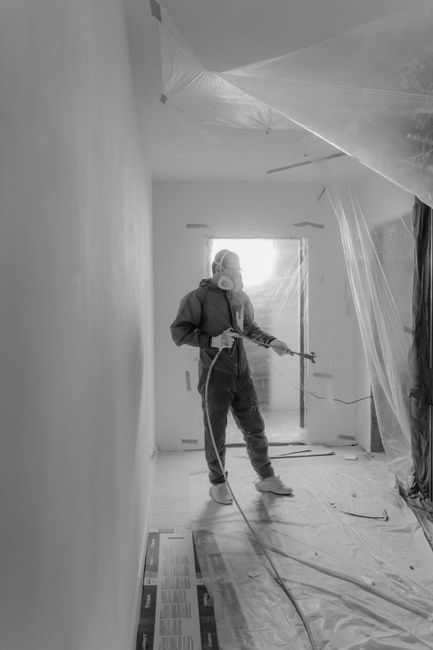
People usually get into trouble by underestimating either the dust level or the amount of time needed. Renovation dust is sneaky. It turns up again after you think you are done, usually on a sunny morning when it shows up in the light like it has a sense of humour.
Watch out for these mistakes:
- Cleaning too early: if builders are still on site, dust will return.
- Using the wrong products: harsh chemicals can damage fresh paint, stone, or sealants.
- Skipping hidden areas: top edges, vents, and behind appliances often get missed.
- Over-wetting floors: moisture can be risky on certain floor types and freshly laid materials.
- Ignoring internal glass and frames: the room will still look dusty if these are left streaky.
- Assuming a domestic clean is enough: standard cleaning is useful, but it is not the same as post-build detailing.
Another mistake is failing to coordinate trades. If a plumber is returning to adjust fittings or a decorator needs access for touch-ups, plan the clean around that. It is a bit of a juggle, yes, but a cleaner space is easier to protect than one that gets reopened every hour.
One more thing: do not forget the social side of the property. If the renovation has been part of preparing a home for guests or entertaining, you may also enjoy our local guide to party destinations in Holland Park. A polished home and a well-kept social life tend to go together rather nicely.
Tools, Resources and Recommendations
A well-equipped team is important, but so is using the right process. For post-renovation work, the most useful tools are the ones that remove dust without spreading it or damaging fresh finishes.
| Tool or Product | Best Use | Why It Matters |
|---|---|---|
| HEPA-style vacuum | Fine dust on floors, edges, and fabric surfaces | Helps capture small particles instead of blowing them around |
| Microfibre cloths | General wiping and dust pickup | Useful for trapping dust on smooth surfaces |
| Soft scrapers or blades | Paint specks, stickers, and surface residue | Can remove marks carefully when used at the right angle |
| Non-abrasive cleaning solutions | Kitchen, bathroom, and general surface cleaning | Reduces risk of marking new finishes |
| Detail brushes | Tracks, hinges, grilles, and awkward corners | Helps reach the places that collect the worst dust |
For carpets that have taken a bit of a beating during works, targeted follow-up may help. Carpet cleaning in W8 can be especially useful if builders walked dust through soft flooring or if protective coverings trapped dirt underneath. Likewise, if the renovation included sofas, chairs, or fitted fabric pieces, upholstery cleaning in W8 may be worth considering afterwards.
On the trust side, it is also sensible to review a provider's insurance and safety approach, especially where delicate interiors or expensive finishes are involved. A professional cleaning job is not just about shine. It is about confidence.
Law, Compliance, Standards, or Best Practice
Post-build cleaning itself is not usually a heavily regulated service in the way electrical or structural work is, but that does not mean standards do not matter. Good practice still applies, especially around safety, handling products, and protecting the property.
In the UK, it is sensible for any cleaning provider to work in line with general health and safety expectations, use products appropriately, and reduce the risk of slips, scratches, or contamination. For renovation properties, that includes being careful around fresh paint, new sealants, unfinished joinery, and wet floors. A cleaner should not rush into a room that is still curing or create a hazard by over-wetting surfaces.
There are also practical duties to think about:
- Work safely around dust: fine renovation dust can be irritating, so control and removal matter.
- Use suitable methods for surfaces: one cleaner does not suit all materials.
- Respect property access and security: especially in managed buildings or refurbished homes with controlled entry.
- Follow agreed scopes of work: if a service is quoted as an after builders clean, it should match that description clearly.
If you are comparing providers, it helps to check the company's health and safety policy and read the terms and conditions before booking. That is not being fussy. It is being sensible. The same applies to payment and security details, especially for larger renovation cleans where deposits or staged payments may be involved.
There is also a simple best practice point for homeowners and landlords: document the state of the property before the clean if the renovation has involved multiple trades. A few photos can help everyone stay aligned about what has been finished and what still needs attention. Very boring, perhaps, but extremely useful.
Options, Methods, or Comparison Table
Not every property needs the same level of post-renovation cleaning. Sometimes a lighter builder clean is enough. Other times, the job needs a deep, detailed, full-property approach. Here is a practical comparison.
| Method | Best For | Typical Focus | Limitations |
|---|---|---|---|
| Light builder clean | Minor decorating, small upgrades, low dust work | Dust removal, basic wipe-down, floors, visible marks | May miss fine residue in hidden or awkward areas |
| Standard after builders clean | Most renovations and refurbishments | Detailed dust removal, kitchens, bathrooms, glass, fixtures | May need extra time for stubborn residue or very large homes |
| Deep post-renovation clean | Major works, full-property refurbishments, premium finishes | Comprehensive detailing from ceiling edges to floor finishes | More time-intensive and usually the most expensive option |
If you are unsure which level fits, ask yourself one simple question: how much dust would I notice if I opened every cupboard, looked at the skirting, and checked the top of the door frames? If the answer is "a lot," then a proper builder clean is probably the safer choice. If your project was more modest, a lighter treatment may be enough, but only if the surfaces really are in good shape.
For some homeowners, especially those renovating before reoccupation, a combined approach works best: post-build cleaning first, then ongoing domestic upkeep once the property is live again. That can be arranged alongside house cleaning in W8 or end of tenancy cleaning in W8 where the property's next phase calls for a different kind of service. If the project is commercial rather than residential, there is also useful context in commercial cleaning permits and insurance for Holland Park shops.
Case Study or Real-World Example
Picture a Holland Park flat that has just had its kitchen and bathroom refurbished. The builder has left late in the week, the tiles are in, the extractor looks great, and the new paint is finally dry. On paper, everything is ready. But in the morning light, the owner notices a chalky film on the cabinet fronts, dust along the plinths, and a fine scatter of debris on the floor inside two bedrooms that were not even part of the work.
This is a common scenario. Dust travels. It moves through open doors, settles on soft furnishings, and clings to horizontal surfaces. In this case, the clean needs to be more than a quick once-over. The kitchen cupboards need careful wiping, the bathroom fittings need residue removed, the hallway and adjacent rooms need attention, and the floors need slow, repeated vacuuming before any damp mopping begins.
What tends to make the difference is patience and order. The cleaner starts with the highest surfaces, then works down through frames, sockets, doors, and floors. The owner may expect the whole job to be about polish, but the real win is in the detail: the hinge lines, the underside of shelves, the edge of the worktop, the back of the radiator. Those are the places that make the property feel genuinely finished.
By the end, the space no longer looks like a project. It looks like a home. And that is the point, really.
If you want a better sense of local service quality before booking, our article on top-rated cleaning services in Holland Park W8 is a useful companion read.
Practical Checklist
Use this checklist before and after the clean to keep things straightforward. It saves time, and it stops small oversights from becoming irritating later.
- Confirm builders have finished all dusty work
- Check paint, sealant, and adhesives have had time to cure
- Remove loose debris, packaging, and leftover materials
- Identify delicate surfaces, new flooring, and specialist finishes
- Make sure access is clear to all rooms and storage areas
- Ask which rooms need the most attention
- Decide whether carpets or upholstery need follow-up cleaning
- Review whether windows, frames, and sills are included
- Confirm kitchens and bathrooms will be detailed properly
- Check the final walkthrough for dust in corners and high ledges
Expert summary: the best post-renovation clean is not the fastest one. It is the one that removes dust from the places you do not think about until the afternoon sun hits them. That little shine in the glass, that crisp edge on the skirting, that fresh feeling underfoot - that is what you are aiming for.
Conclusion
After builders cleaning for Holland Park W8 renovations is the bridge between a finished project and a genuinely liveable home. It protects new surfaces, removes stubborn dust, improves presentation, and helps the whole property feel complete. In a place like Holland Park, where homes are often carefully considered and beautifully finished, that final detail stage matters a lot.
Whether you are preparing for move-in, arranging a sale, or simply trying to recover from the chaos of renovation, a proper clean gives you back the calm that the works took away. It is practical, yes. But it is also oddly satisfying. You can breathe again. You can see the room properly. You can stop thinking about plaster dust every five minutes.
Get a free quote today and see how much you can save.
And if you are still planning the wider project, it can help to read a little more around the local context, from considering Holland Park local tips to expert advice on investing in Holland Park homes. A well-finished property tends to repay the effort in quiet, everyday ways. That part never gets old.