Health and Safety Policy for Cleaners W8
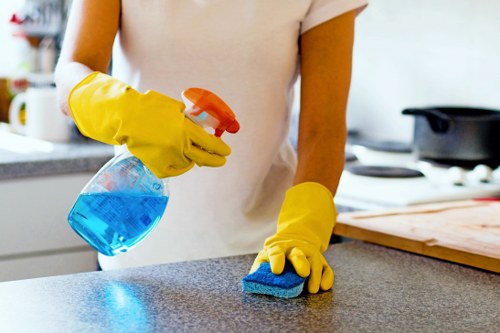 Our health and safety policy for cleaners W8 sets out a practical approach to keeping cleaning staff, clients, and visitors safe during everyday work. It applies to routine cleaning tasks in homes, offices, shared buildings, and commercial spaces, and it is designed to reduce avoidable harm through clear standards, careful planning, and responsible working habits.
The aim of this policy is to support a safe working environment by identifying risks early and controlling them before they cause injury or disruption. A well-managed cleaning service depends on safe methods, suitable equipment, and consistent attention to safe working practices. This includes using products correctly, handling tools with care, and maintaining awareness of surroundings at all times.
All cleaners are expected to follow the same basic safety principles, regardless of the size or type of property. Cleaners W8 should work in a way that protects themselves and others, while also maintaining quality and efficiency. Proper training, routine checks, and clear communication help create a safer service and reduce incidents linked to slips, trips, manual handling, and exposure to cleaning agents.
Core Safety Responsibilities
Every cleaner has a responsibility to act with caution, report hazards promptly, and use equipment only for its intended purpose. Managers and supervisors should provide suitable instruction, maintain records where needed, and make sure staff understand the correct procedures before starting work. A shared safety culture is essential for cleaning services W8 that want reliable results without unnecessary risk.
Risk assessment is a key part of the policy. Before work begins, cleaners should consider possible dangers such as wet floors, sharp objects, unstable furniture, poor lighting, electrical items, and exposure to chemicals. Where a hazard cannot be removed immediately, the cleaner should use controls such as warning signs, restricted access, protective equipment, or alternative methods to reduce the risk.
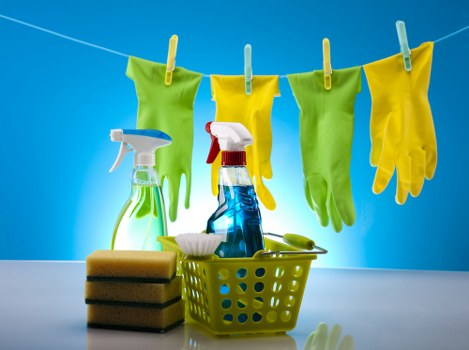
Personal protective equipment should be used whenever the task or product requires it. Gloves, slip-resistant footwear, aprons, and eye protection may be necessary depending on the work being carried out. It is important that PPE is kept clean, stored correctly, and replaced when worn or damaged. Safety equipment only works well when it is used consistently and in line with the product instructions.
Safe Working Methods
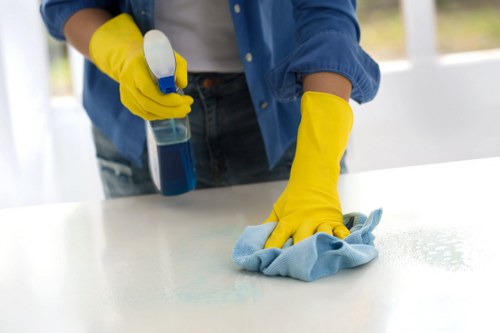 Cleaning chemicals must always be handled with care. Products should be labelled clearly, stored securely, and used according to the manufacturer’s guidance. Mixing different substances is strictly avoided unless the product instructions specifically allow it. Good ventilation should be maintained where possible, especially when using stronger agents. This helps limit fumes and supports a safer cleaners W8 policy overall.
Manual handling is another important area. Cleaners may need to move bins, vacuum machines, laundry bags, or furniture, so safe lifting techniques are essential. Heavy or awkward loads should be split into smaller loads where practical, and mechanical aids should be used when available. Staff should avoid twisting while lifting and should ask for assistance if an item is too large or too heavy to move safely.
Slips, trips, and falls are among the most common cleaning risks. Floors should be kept tidy, cords should be positioned carefully, and wet areas should be marked clearly until dry. Shoes should provide a secure grip, and cleaners should remain alert when working around entrances, stairs, or busy walkways. Safety in cleaning work depends on prevention, visibility, and good housekeeping.
Training, Supervision, and Communication
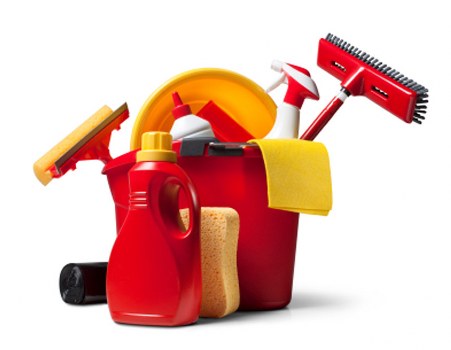 Training helps ensure that every cleaner understands the correct use of equipment, chemical products, and cleaning methods. It should cover basic hazard awareness, safe lifting, emergency procedures, and the proper response to spills or accidents. Refresher instruction is useful when tasks change or when new equipment is introduced, helping maintain a high standard across the health and safety policy for cleaners.
Supervision supports safe performance and helps correct unsafe habits early. A supervisor should check that staff are prepared for the work assigned to them and that they understand any special conditions at the site. This is particularly important in spaces where the public is present, where lone working may occur, or where access is restricted. Good supervision encourages confidence while reinforcing responsible practice.
Clear communication is necessary whenever hazards, delays, or unusual conditions arise. Cleaners should know how to report broken equipment, missing supplies, spillage risks, or accidental damage without delay. If a task appears unsafe, it should be paused until the risk is reviewed. This approach protects the team and supports a more dependable cleaning health and safety policy.
Emergency Response and Incident Reporting
Accidents and near misses should be reported as soon as possible, even if the injury seems minor. Prompt reporting helps identify patterns and improve future safety measures. In the event of a spill, cut, burn, fall, or chemical contact, the cleaner should follow the correct emergency procedure, seek assistance if required, and avoid continuing work until the area is safe again.
First aid arrangements should be understood before work begins. Staff should know how to access help, how to isolate a hazard, and how to respond calmly while waiting for support. Any equipment involved in an incident should be removed from use until it has been checked. This prevents repeat problems and ensures that the cleaners W8 health and safety policy remains active in day-to-day work rather than existing only on paper.
Emergency exits and escape routes should never be blocked by cleaning equipment, bins, or supplies. When cleaning in busy premises, staff should maintain awareness of evacuation procedures and avoid creating obstacles that could delay safe movement. A tidy work area is not only efficient; it is also a major part of protecting people during unexpected situations.
Ongoing Review and Safe Standards
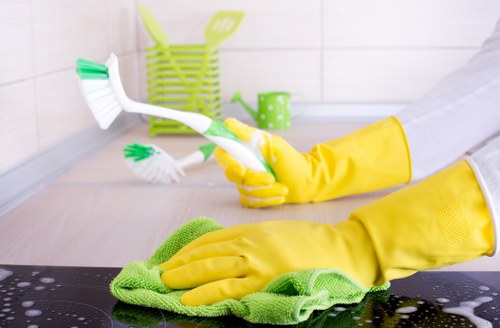 This policy should be reviewed regularly to reflect changes in equipment, products, working methods, and site conditions. Reviews help confirm that the existing controls remain effective and that staff continue to work safely. Feedback from incident reports, inspections, and routine observations can be used to improve practice and strengthen the overall cleaning safety policy.
Equipment maintenance is also essential. Vacuum cleaners, mops, extension leads, and other tools should be checked before use and removed from service if damaged. Faulty items can create electric shock hazards, trip risks, or poor cleaning results. By keeping equipment in good condition, the service reduces disruption and supports safer, more reliable operations.
Cleaners should also maintain personal readiness for the work. This means staying alert, wearing suitable clothing and footwear, keeping hydrated during long shifts, and avoiding work when unwell if it may increase risk to themselves or others. Safe performance is affected by concentration and physical condition, so a responsible approach benefits everyone involved.
Commitment to Safe Cleaning Practice
 The health and safety policy for cleaners W8 is built around prevention, awareness, and accountability. By following safe methods, using the right equipment, and reporting concerns early, cleaners can complete their work efficiently while reducing the chance of harm. Consistent standards help create a safer environment for staff and property users alike.
Ultimately, this policy supports a professional approach to every task, from small domestic jobs to larger commercial cleaning assignments. When safety is treated as a core part of the service, quality improves and risks are easier to control. That is the foundation of a dependable cleaners W8 service and a healthier workplace for everyone.