Complaints Procedure for Cleaners W8
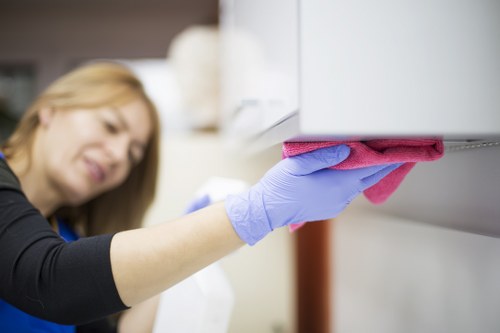 A clear complaints procedure helps keep cleaning services consistent, respectful, and accountable. When a concern is raised, it should be handled in a calm and structured way so the issue can be reviewed properly and resolved without confusion. For cleaners in W8, a good complaint process supports trust, improves standards, and gives both clients and cleaning teams a fair route to follow.
The purpose of a cleaners complaints procedure is not only to respond to problems, but also to make sure they are recorded, understood, and addressed in the right order. A complaint may relate to missed tasks, poor timing, damaged belongings, missed instructions, or behaviour that did not meet expected standards. No matter the issue, the process should remain professional and proportionate.
Every complaint should begin with a simple acknowledgement. This means confirming that the concern has been received and will be looked into. A prompt response is important because it shows the matter is being taken seriously. Delays can make a small issue feel bigger, so the first step in any cleaner complaint process should be to open the line of review quickly and clearly.
How Complaints Should Be Handled
Once a complaint has been received, the details should be checked carefully. The key facts need to be identified: what happened, when it happened, who was involved, and what result the complainant is seeking. A structured review helps avoid assumptions and gives the cleaning company a fair basis for decision-making. It also helps ensure that the same standards are applied to all cleaning complaints.
After the complaint is logged, the next step is to assess the nature of the issue. Some matters may be minor and can be resolved by clarification or a service correction. Others may require a more detailed investigation. For example, if a customer believes that a room was not cleaned properly, the company may need to review the task list, schedule, and any relevant service notes. This approach supports a fair complaints procedure for cleaners.
 Communication during this stage should remain polite and neutral. The aim is to gather information, not to argue or defend the work too quickly. Staff handling the complaint should listen to the concern, ask relevant questions, and avoid dismissive language. Professional tone matters because it helps reduce tension and keeps the process focused on resolution rather than emotion.
What a Fair Review Includes
A fair review should consider whether the service matched the agreed expectations. This may involve checking the cleaning schedule, the list of tasks, special instructions, and any limitations that were explained in advance. If there was a genuine misunderstanding, the complaint may be resolved through correction and clearer communication. If the service fell below standard, the response should match the seriousness of the issue.
In many cases, a complaint about W8 cleaners can be resolved by revisiting the relevant area and completing the missed task. Where appropriate, a replacement visit may be arranged, or the service plan may be adjusted to prevent the same problem from happening again. The important point is that the response should be practical and reasonable, rather than defensive.
 If damage, loss, or an unsafe practice is alleged, the complaint should be examined with extra care. Supporting details may include written notes, task records, or internal reports. The outcome should depend on the evidence available and the seriousness of the situation. A strong complaints procedure for cleaning services protects both the service provider and the client by ensuring the matter is assessed consistently.
Possible Outcomes and Next Steps
There are several possible outcomes to a complaint. The issue may be upheld, partially upheld, or not upheld. If it is upheld, a correction, apology, or service adjustment may be appropriate. If it is not upheld, the reasons should still be explained clearly and respectfully. The most important thing is that the person raising the complaint understands how the decision was reached.
Clear resolution is often the best way to restore confidence in the service. This may involve redoing a task, revising expectations, updating instructions, or retraining staff where a process problem has been identified. The complaint process should not feel punitive for its own sake; rather, it should be used to improve the quality and consistency of cleaning work.
If the concern remains unresolved, there should be a further review step. This could mean a second-level assessment by a senior team member or manager who was not part of the first response. Having a final review stage supports fairness and helps prevent repeated mistakes in cleaners W8 service handling.
Recording, Learning, and Prevention
 Every complaint should be recorded so that patterns can be identified over time. Repeated issues may show that a checklist needs improvement, instructions are unclear, or staffing levels need review. Keeping proper records allows a cleaning company to learn from complaints instead of treating each one as an isolated event. This supports better service standards across all cleaning procedures.
Training is another important part of prevention. If complaints arise from the same type of error, staff may need refresher training on task completion, communication, or handling client expectations. The aim is to reduce future complaints by strengthening the everyday process. A well-managed complaints procedure for cleaners is not only reactive; it also helps shape better habits in routine work.
Prevention also depends on clarity. When instructions are easy to follow and service expectations are set out properly, many complaints can be avoided before they begin. Simple measures such as written task lists, confirmation of special requests, and regular review of service notes can make a significant difference. Prevention is always easier than correction, especially in a busy cleaning environment.
Final Standards for Complaint Handling
The best cleaners complaints procedure is one that is straightforward, respectful, and consistent. It should give the complainant confidence that the issue will be reviewed, while also giving the cleaner or service team a fair chance to respond. Neutral handling, accurate recording, and practical action are the foundations of a reliable process.
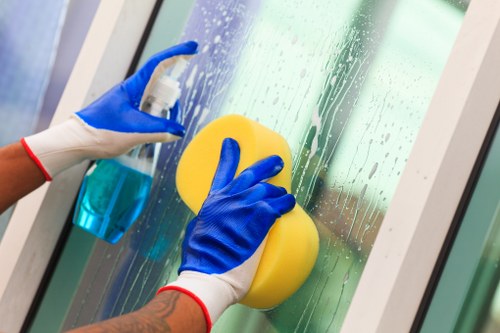 A good procedure also protects the reputation of the service by showing that concerns are treated seriously and professionally. Whether the matter is small or significant, the response should be timely, measured, and based on facts. That approach helps build long-term trust in W8 cleaning services and supports higher standards across every booking.
In the end, a well-run complaints procedure for cleaners in W8 should create a clear path from concern to resolution. When handled properly, complaints become an opportunity to improve service quality, strengthen communication, and maintain a dependable standard of work. With careful review and respectful action, the process benefits everyone involved.