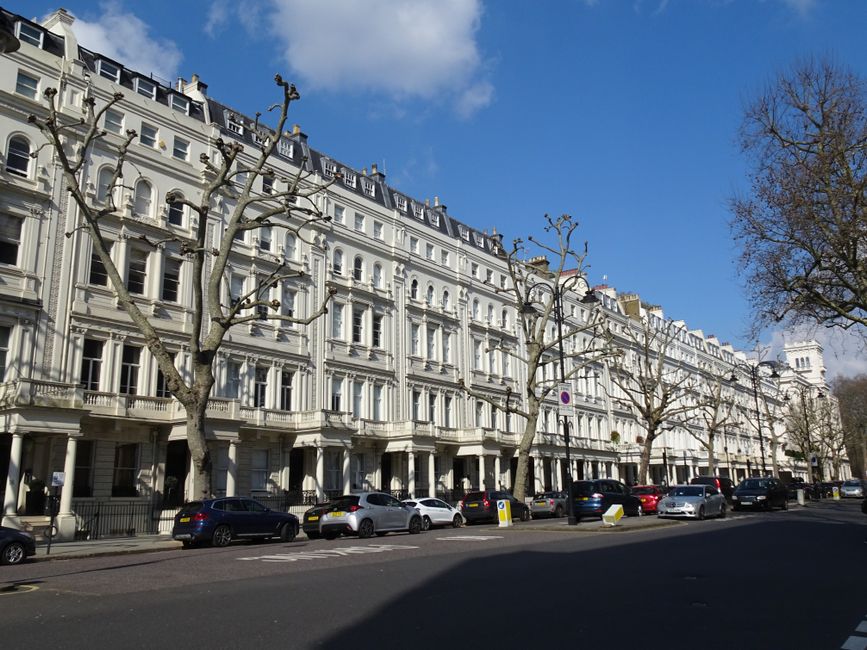
End of lease carpet cleaning case study Holland Park Victorian flat
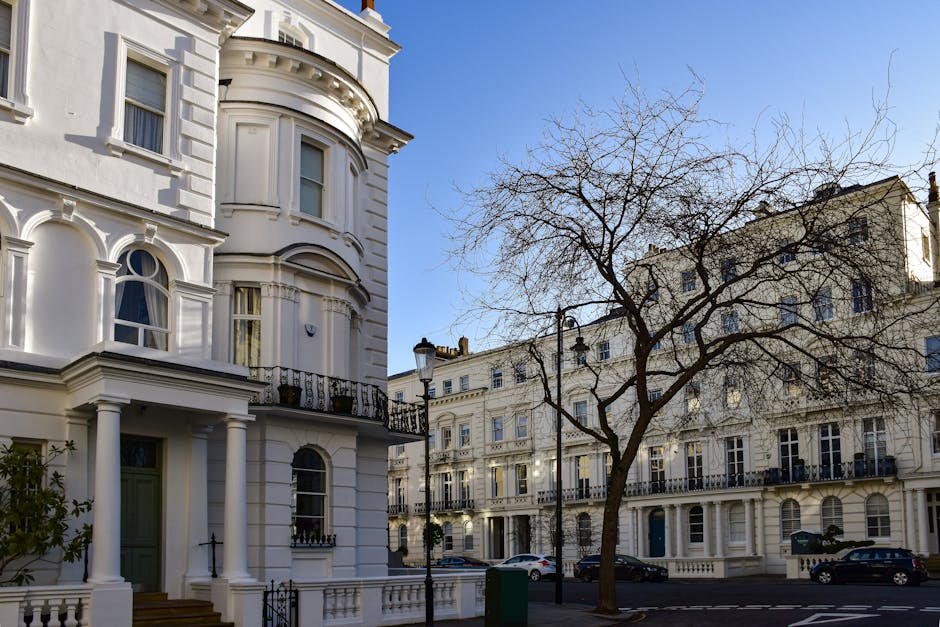
If you're preparing a move-out in a Holland Park Victorian flat, carpet condition can become the part everyone quietly worries about. Stairs, original floorboards under rugs, tight rooms, old wool carpets, and the usual marks from day-to-day living can all make end of tenancy cleaning feel more delicate than it first looks. This End of lease carpet cleaning case study Holland Park Victorian flat looks at what matters, how the process usually works, and what tenants and landlords should keep in mind when the property has character, age, and a few awkward corners.
The point here is not just to get carpets looking fresh. It is to leave a flat in a condition that supports a smoother handover, avoids unnecessary disputes, and gives you a clear plan rather than a last-minute panic. Let's face it, no one enjoys a moving week with a vacuum in one hand and a deposit email open on the phone.
In this guide, you'll find a practical breakdown of the process, a comparison of cleaning methods, common mistakes to avoid, a realistic checklist, and a real-world style example based on a Victorian flat in Holland Park. It's written for people who want useful answers, not fluffy promises.
Why End of lease carpet cleaning case study Holland Park Victorian flat Matters
Carpet cleaning at the end of a lease is rarely just about appearances. In a Victorian flat, the carpets may have seen years of foot traffic, furniture pressure marks, pet odours, wine drips, and that one patch near the sash window that always seems to collect dust. When a tenancy ends, those details suddenly matter more than they did when you were simply living there.
Holland Park properties often come with older interiors, unusual layouts, and finishes that need a bit more care. Victorian homes can have narrow hallways, original features, and carpet fibres that react differently depending on age and material. A rushed approach can leave moisture behind, flatten the pile, or make marks more obvious rather than less.
There is also the handover side of things. If a landlord, managing agent, or inventory clerk is checking the flat against the check-in report, carpet condition can influence how smoothly the return goes. That does not mean a carpet has to look brand new. It means it should be cleaned properly, treated sensibly, and documented where needed.
In our experience, the best outcomes come when people treat carpet cleaning as part of the wider moving plan, not a panic job at 8 p.m. the night before the keys go back. Small difference, big result.
How End of lease carpet cleaning case study Holland Park Victorian flat Works
End of lease carpet cleaning is usually a structured process rather than a quick once-over with a domestic vacuum. The exact method depends on the carpet type, the level of soiling, and whether stains, odours, or traffic wear need specific attention. In a Victorian flat, the cleaner usually starts by inspecting the fibres, looking for problem areas, and deciding how much moisture the carpet can safely take.
The most common approach is hot water extraction, sometimes called steam carpet cleaning, though the two terms are not identical in every case. The process generally involves pre-inspection, vacuuming, targeted stain treatment, deep cleaning, and drying. For a flat with older carpet, the cleaner may also reduce moisture levels or use more controlled extraction to avoid over-wetting.
Here's the part people often miss: good carpet cleaning is as much about judgement as equipment. A strong machine is useful, yes, but if the operator does not recognise worn wool, delicate backing, or a previously patched area, you can end up with uneven results. That's why older homes deserve more care than a standard checklist approach.
A proper end of lease clean should also consider room-by-room differences. A front room facing Holland Park's street traffic may have different dirt patterns from a quieter rear bedroom. The staircase, if there is one, can be its own little challenge. Narrow landings, awkward corners, and wall-to-wall carpet on turns can all slow the job down a bit.
Key Benefits and Practical Advantages
The obvious benefit is cleaner carpets, but the real value is broader than that. For tenants, a properly cleaned carpet helps present the flat well during checkout and can reduce avoidable friction. For landlords or agents, it helps preserve the property's condition and makes re-letting simpler. For everyone, it is one less thing to argue about.
- Better presentation: fresh carpets make a Victorian flat feel cared for, even if the rest of the move is a bit chaotic.
- Improved odour removal: old carpets can hold cooking smells, pet traces, and general lived-in scent.
- Stain reduction: targeted treatment often lifts marks that regular vacuuming can't touch.
- More predictable handover: a documented professional clean can support a cleaner exit discussion.
- Longer carpet life: removing embedded grit helps reduce fibre wear over time.
- Less stress on moving day: one major task handled properly is a relief, simple as that.
There's also a practical comfort angle. If you're handing the flat over after months or years of living there, seeing the carpets refreshed can make the space feel properly finished. A small thing, maybe, but it helps.
| Outcome | Basic vacuuming | Professional end of lease carpet cleaning |
|---|---|---|
| Surface dust removal | Good | Good |
| Deep embedded dirt | Limited | Much better |
| Stain treatment | Minimal | Targeted and detailed |
| Odour control | Limited | Often significantly improved |
| Checkout-ready finish | Variable | More consistent |
Who This Is For and When It Makes Sense
This kind of service makes sense for tenants nearing the end of a lease, of course, but it is not only for people in a hurry. It also suits landlords preparing for viewings, letting agents managing turnover, and anyone moving out of a flat where the carpets have seen a fair bit of life.
It is especially relevant if:
- the property is a Victorian flat with older or delicate carpets
- there are visible stains, traffic lanes, or pet-related marks
- the inventory report noted carpet condition at the start of the tenancy
- the flat has been lived in for a long time without a deep clean
- there is a tight move-out schedule and little time for repeat cleaning
It can also be useful when you're not sure whether the flat will need a simple refresh or a deeper restorative treatment. To be fair, many people only realise how much dirt sits in a carpet once furniture has been moved and daylight hits the room properly. Funny how that works.
If you're a landlord or agent, this kind of clean can be part of a broader preparation plan. Related services like end of tenancy cleaning and move-out cleaning are often booked together when the whole property needs attention before reletting.
Step-by-Step Guidance
Here is the practical version, without the fluff. If you are arranging end of lease carpet cleaning in a Holland Park Victorian flat, this is the sequence that usually gives the best result.
- Inspect the carpet first. Look for stains, worn areas, pulled fibres, and any signs of colour fading or water sensitivity.
- Identify the material. Wool, wool blends, synthetic fibres, and older natural carpets can all need different handling.
- Clear the room. Move light items out of the way so the cleaner can reach edges, corners, and beneath furniture lines.
- Vacuum thoroughly. Dry soil should be removed before any wet cleaning starts. This part matters more than people think.
- Pre-treat problem spots. Entry marks, food spills, and pet stains usually need targeted treatment before the full clean.
- Choose the right cleaning method. Hot water extraction suits many carpets, but low-moisture or specialist methods may be safer for some older floors.
- Clean edge to edge. Don't forget skirting edges, thresholds, and the areas behind doors where dirt collects quietly.
- Control drying. Open windows where sensible, improve airflow, and avoid walking on the carpet too early.
- Check the result in natural light. Morning or afternoon light will show missed marks better than an artificial lamp ever will.
- Keep evidence if needed. Before-and-after photos can be useful in case questions come up later.
If the flat has stairs or a landing, those areas need a slower pace. Older stair carpets can bunch slightly, and the edges near the wall often trap dust. Nothing glamorous there, but it's where inspection issues are sometimes spotted.
Expert Tips for Better Results
A few small choices can make a noticeable difference. Most are simple, which is why people skip them. That's human nature, really.
- Book carpet cleaning after most packing is done. Otherwise boxes just get in the way and flatten freshly cleaned fibres again.
- Ask about the carpet type before work begins. Older Victorian flats can have materials that need a gentler approach.
- Deal with stains early. The longer a spill sits, the more likely it is to bond with the fibre.
- Use furniture pads if items must stay in place. It helps avoid fresh marks and pressure dents.
- Ventilate carefully. Good airflow speeds drying, but don't blast damp carpets with extreme heat.
- Don't scrub aggressively. Scrubbing can spread a stain or roughen the pile, which is never ideal.
- Spot-test where possible. A discreet test area can prevent bigger surprises.
One practical note from real jobs: if a room has a noticeable "walking line" from the door to the window, that line often needs more than one pass. It's not magic, just traffic patterns. People walk the same path every day without noticing it until the carpet says hello back.
If the flat also needs upholstery attention or mattress refreshes, those jobs may be worth grouping with carpet cleaning. It can save time and make the whole place feel more finished. Consider upholstery cleaning or mattress cleaning if soft furnishings are part of the move-out condition.
Common Mistakes to Avoid
Most end of tenancy carpet issues are not caused by bad intentions. They happen because someone is rushing, guessing, or assuming the carpet is tougher than it really is.
- Leaving it until the final hour. If the carpet needs drying, a last-minute clean can create a new problem.
- Using too much water. Over-wetting can lengthen drying time and sometimes affect older backing.
- Ignoring stains until inspection day. At that point, you are limited in what can be realistically improved.
- Assuming every carpet can be cleaned the same way. Victorian flats are not one-size-fits-all. Not even close.
- Forgetting the edges and corners. These are small details, but they often stand out in inspection photos.
- Skipping vacuuming before deep cleaning. That just turns dust into slurry, and nobody wants that.
- Not checking the lease requirements. Some agreements mention professional cleaning expectations, though wording can vary.
There's also a subtle mistake people make: treating a worn carpet like a failed carpet. Age, foot traffic, and previous maintenance all matter. A cleaned carpet may still show wear, but that does not automatically mean the clean was poor.
Tools, Resources and Recommendations
The right tools make the job easier, but they should match the carpet, not just the marketing brochure on the machine. Here's a sensible overview of what is typically used.
| Tool or product | Typical purpose | Best use case |
|---|---|---|
| Vacuum with strong suction | Removes loose dust and grit | Pre-clean preparation |
| Stain treatment product | Targets specific marks | Food, drink, and tracked-in dirt |
| Hot water extraction machine | Deep cleans fibres | Most standard end of lease carpet jobs |
| Microfibre cloths | Blotting and controlled spot work | Small spills and edge detailing |
| Airflow aids | Helps drying | Rooms with limited ventilation |
For broader property preparation, useful related services can include deep cleaning, one-off cleaning, and oven cleaning when the whole flat needs resetting before handover. If you're sorting the move rather than just the carpets, those services fit together neatly.
It can also help to keep your own record of the carpet's condition before and after cleaning. A phone photo is usually enough. Not glamorous, but practical.
Law, Compliance, Standards, or Best Practice
This section needs careful wording. Tenancy agreements, property check-out procedures, and cleaning expectations can vary, so it is sensible to read the lease and inventory documents closely rather than assuming there is one universal rule. In the UK, the main practical standard is usually the condition agreed at the start of the tenancy, adjusted for fair wear and tear.
In plain English, that means a tenant is generally expected to return the property in a reasonably clean condition, but not necessarily in a condition better than it was at check-in unless the contract says otherwise. Normal wear from living in a property is different from avoidable damage or heavy soiling. That distinction matters a lot during deposit discussions.
If a professional clean is required by the tenancy or preferred by the agent, keep the invoice and any completion notes. Good records help if questions come up later. It is also wise to make sure the provider has suitable insurance and follows sensible health and safety practices, especially when water, machines, and electrical equipment are involved. You can review service commitments and operational details through pages such as insurance and safety and health and safety policy.
One more thing: if there are access constraints, communal hallways, or building rules in the block, those should be respected. In older London buildings, being considerate about timing, noise, and shared areas goes a long way. Common sense, but worth saying.
Options, Methods, or Comparison Table
Not every carpet needs the same treatment. The right method depends on fibre type, soil level, stain history, and how quickly the room needs to be ready again. In a Victorian flat, this choice matters more than it might in a newer build.
| Method | Strengths | Limitations | Best for |
|---|---|---|---|
| Hot water extraction | Deep clean, strong soil removal | Longer drying time | Most general end of lease carpets |
| Low-moisture cleaning | Faster drying, gentler on some carpets | May be less intensive on deep soil | Delicate or older carpets |
| Spot treatment only | Useful for isolated marks | Not a full clean | Minor issues where overall carpet is in good shape |
| Dry compound cleaning | Minimal water use | Varies by carpet type and equipment | Situations needing limited moisture |
If the carpet is old but still structurally sound, a gentler method may be the wiser call. If it is broadly dirty rather than just lightly marked, deeper extraction often gives the better return. A good cleaner should explain why one method fits better than another. If they do not, ask. That's fair enough.
Case Study or Real-World Example
Here's a realistic example based on the kind of work often seen in Holland Park Victorian flats. A tenant was moving out of a two-bedroom flat with fitted carpet in the hallway, bedrooms, and living room. The property had been occupied for several years, and the carpets had the usual signs of normal life: a darker traffic line near the entrance, a faint coffee mark in the living room, and some dulling around furniture edges.
The first step was a careful inspection. The carpet was older, with a slightly softer pile in the living room and a more robust finish in the hallway. That mattered because the cleaner did not treat every room the same way. The hallway needed more attention to soil removal; the living room needed a lighter touch around the worn sections.
After thorough vacuuming, the visible marks were pre-treated. The coffee spot lifted well enough that it no longer stood out in natural light. The hallway improved noticeably, though some age-related wear remained. That is normal. A clean carpet can still look like an older carpet. Those are two different things, and it is worth keeping them separate.
What made the difference was preparation. Furniture had been removed in time, windows were opened after cleaning, and the tenant had photos before and after. During checkout, the flat presented well, and the carpets looked cared for rather than neglected. That is usually the sweet spot. Not perfect, just properly handled.
The takeaway? In a period property, the goal is often to restore freshness and reduce visible soil, not to pretend the carpet is new. Realistic expectations save everyone a headache.
Practical Checklist
Use this checklist a day or two before the final clean. It is simple, but it catches the usual problems.
- Read the tenancy agreement and check-out instructions
- Confirm which rooms have carpet and which need special attention
- Move personal items, boxes, and fragile furnishings out of the way
- Vacuum all carpeted areas thoroughly before deep cleaning
- Identify stains, spills, and high-traffic zones
- Ask whether the carpet material needs a specific cleaning method
- Make sure access, parking, or entry arrangements are sorted
- Allow enough drying time before the handover
- Take before-and-after photos for your own records
- Do a final light inspection in daylight if possible
If you want the broader flat to be ready in one pass, you might also pair the carpet clean with move-in cleaning or broader domestic cleaning support. That can make the whole move feel less scattered. And trust me, moving days are scattered enough already.
Conclusion
End of lease carpet cleaning in a Holland Park Victorian flat is one of those jobs that rewards careful planning. The older the property, the more important it becomes to match the cleaning method to the carpet, the room, and the timing. When done properly, the result is not just cleaner fibres. It is a smoother handover, fewer questions at checkout, and a property that feels respectfully looked after.
The main thing to remember is this: don't leave it to chance, and don't assume every carpet responds the same way. A Victorian flat has its own rhythm, quirks, and hidden corners. Work with that, not against it. That's where the real difference lives.
Get a free quote today and see how much you can save.
Frequently Asked Questions
Is professional carpet cleaning always required at the end of a lease?
Not always. It depends on your tenancy agreement and the condition expected at handover. Some leases specify professional cleaning, while others simply require the carpets to be returned in a reasonably clean condition.
How long does end of lease carpet cleaning usually take in a Victorian flat?
Timing depends on the number of rooms, carpet condition, and access. A small flat may be completed fairly quickly, while an older Victorian layout with stairs, hallways, and stubborn marks can take longer.
Can old carpets in Holland Park still be cleaned effectively?
Yes, often they can. Older carpets may need a gentler method and realistic expectations, but many still respond well to deep cleaning if the fibres are sound and the cleaning is done carefully.
What is the best method for move-out carpet cleaning?
Hot water extraction is common because it removes embedded dirt well, but low-moisture or specialist methods can be better for delicate or aged carpets. The best method depends on the carpet itself.
Will carpet cleaning remove all stains?
Not necessarily. Fresh stains often respond better than old ones, and some marks may be permanent or only partially improved. A good cleaner should explain what is realistic before work begins.
How long do carpets need to dry after cleaning?
Drying time varies based on the method used, ventilation, and room temperature. It can be fairly quick in good conditions, but you should always allow enough time before the final inspection.
Should I vacuum before professional carpet cleaning?
Yes. Removing loose dust and grit first helps the deep clean work properly. Skipping this step can reduce the quality of the result, especially in high-traffic areas.
What should I do if the carpet has a pet smell?
Tell the cleaner in advance. Pet odour can need targeted treatment, not just a standard clean. If the issue is deeper in the underlay, results may vary and should be discussed honestly.
Can carpet cleaning help me get my deposit back?
It can help support a cleaner handover, but it does not guarantee anything on its own. Deposit outcomes depend on the whole property condition, the lease terms, and whether any damage or heavy soiling is present.
Is there a difference between steam cleaning and hot water extraction?
Yes, though people often use the terms loosely. Hot water extraction is the more accurate technical term for many professional carpet cleaning methods. The exact process can vary by machine and operator.
What should I check before booking carpet cleaning for an end-of-tenancy move?
Check the carpet material, the rooms involved, drying time, access arrangements, and any lease or inventory requirements. It also helps to ask whether the cleaner carries suitable insurance and understands end of tenancy work.
Do I need to clean stairs and hallways as well as rooms?
Usually yes, if those areas are carpeted and part of the tenancy. In a Victorian flat, stairs and hallways often show the most wear, so they are worth giving proper attention.
If you are planning your move-out now, the safest route is to get the carpets assessed early rather than guessing on the last day. A calm plan beats a rushed one every time.